Temperature24–28°C75–82°F
Salinity1.020–1.025specific gravity
pH8.1–8.4
Feeding2–3× / daymysis & copepods
Species and origin
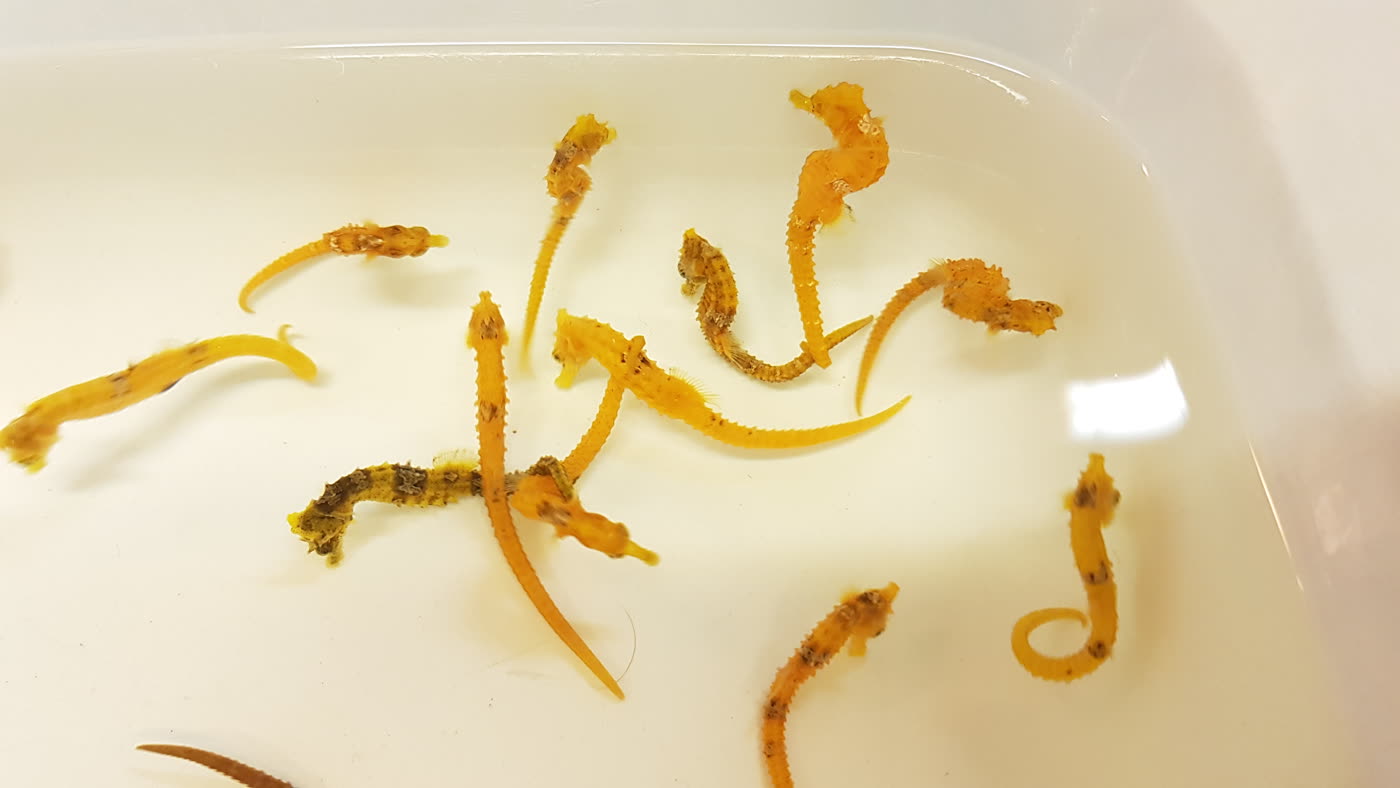
The Hippocampus erectus, commonly known as the Lined Seahorse, is native to the Gulf of Mexico and the West Indies.
Temperature through the seasons
The right temperature is crucial for the health of your seahorses. At our farm, we adjust the water temperature through the year to follow the seasons:
春SpringFeb – May24–25°C
75–77°F
夏SummerJun – Aug25–28°C
77–82°F
秋FallSep – Oct24–25°C
75–77°F
冬WinterNov – Jan23–24°C
73–75°F
Ideal range: keep seahorses between 24°C (75°F) and 28°C (82°F) for optimal health.
Important: avoid temperatures above 30°C (86°F), as higher temperatures stress seahorses.
Tank setup
Seahorses thrive in tall tanks with calm, stable water. For a pair, we recommend a tank of at least 75 liters (20 gallons). A larger tank gives more room to swim and reduces stress. Avoid strong currents: seahorses are not strong swimmers.
Water quality
High water quality is vital for seahorses. Regular water changes and a reliable filtration system are essential.
- Salinity: 1.020 to 1.025 specific gravity.
- pH: 8.1 to 8.4.
- Temperature: within the recommended range, 24–28°C (75–82°F).
Test water parameters regularly and change water as needed to keep the environment stable and healthy.
Diet and feeding
Seahorses are carnivores. We feed ours live mysis shrimp and live copepods that we breed ourselves. Frozen mysis and copepods can also be used, but avoid liquid food. Feed seahorses 2 to 3 times per day rather than once.
Hitching posts
Seahorses hold on to structures to "hitch" while they rest. Give them plenty of live or artificial plants and other structures to grasp. A variety of hitching options helps them feel secure and reduces stress.
Breeding and growth rate
Baby seahorses (fry) usually take about 3 months to grow to 5–6 cm. The rate varies with water conditions, diet and temperature. A stable environment with good water quality, a proper diet and the right temperature supports both breeding and healthy growth.
Keeping colors vibrant
A seahorse's color is closely linked to its health and environment. To keep colors bright:
- Substrate color: a blue bottom, or blue stickers under the tank (not on the background), creates a strong contrast that makes yellow, orange and red seahorses look more vibrant. It is a visual aid, not the main factor.
- Lighting: lighting plays a key role. Use warm white LED lighting (3000–3500 K) and avoid bright white or blue LEDs. Indirect natural sunlight can also help.
- Temperature: keep seahorses at 25°C (77°F) minimum. Lower temperatures can turn them black; warmer water supports healthier coloration.
- Algae: heavy brown algae on the tank or on the seahorse's body can turn them black. Keep the tank clean and free of algae.
- Nutrition & health: proper food, good water quality and low stress matter most for vivid colors.
Normal color cycle: seahorse colors change over time, usually from black to yellow, then orange and red, and back to black. This cycle can last one to two months and is normal behavior.
Tank mates
Seahorses are peaceful and do best in a calm, stress-free tank. Small, peaceful fish make good companions, and seahorses can be kept together. Avoid aggressive or fast-moving fish.
Temperature15–25°Cdepends on species
Salinity1.020–1.027specific gravity
pH7.8–8.2
Water change⅓ / weekfeed 1× / day
Origin
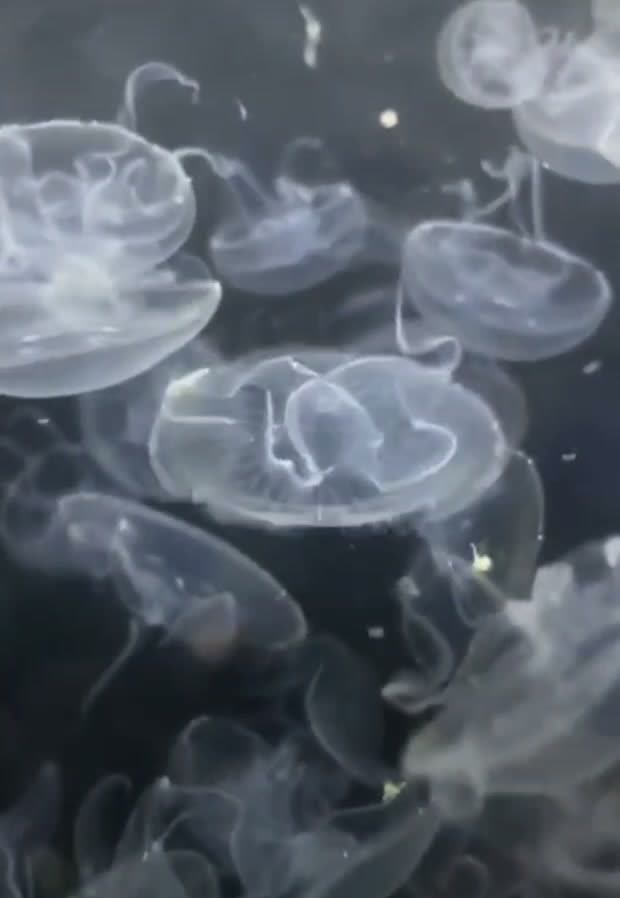
Our jellyfish are both captive-bred and wild-collected. Each product in our catalogue shows which.
Temperature
Each species has its own temperature range. Check the water temperature regularly: going outside these ranges stresses jellyfish and affects their health and behavior.
| Species | Temperature |
|---|
| Cannonball jellyfish | 18–25°C / 64–77°F |
| Crystal crown jellyfish | 15–25°C / 59–77°F |
| Australian spotted jellyfish | 15–25°C / 59–77°F |
| Papuan jellyfish | 15–25°C / 59–77°F |
| Flame jellyfish | 20–25°C / 68–77°F |
| Moon jellyfish | 15–25°C / 59–77°F |
Tank setup
We recommend a circular tank. The round shape keeps jellyfish from getting stuck in corners and lets them drift in a continuous flow. Jellyfish are sensitive to strong currents, so keep the water flow gentle.
Water quality
- Salinity: check with a hydrometer; keep it between 1.020 and 1.027 specific gravity.
- pH: 7.8 to 8.2.
- Ammonia (NH₃) and nitrite (NO₂): same requirements as for marine fish.
Diet and feeding
Jellyfish mainly eat newly hatched Artemia (baby brine shrimp) and Crystal Crown jellyfish. These live foods are essential for growth. Frozen artemia and copepods can also be used. Feed once a day and do not overfeed. Otherwise, set up the tank like a marine fish tank.
Growth rate
Jellyfish usually grow about 2–4 cm per month, depending on water quality and diet. Their life cycle is usually around 1 to 1.5 years.
Maintenance routine
1FeedingOnce a day. Excess food spoils water quality.
2Water changesChange ⅓ of the water every week.
3CleaningRemove uneaten food before it decomposes.
Damage control: if a jellyfish has broken parts or changes shape, do an immediate 50% water change and do not add any other products (such as water conditioner).
Tank mates
Do not keep jellyfish with other jellyfish species or with marine fish.
Temperature18–24°C64–75°F
Salinity~1.025specific gravity
pH~8.4
Feeding1× / dayfish & shrimp
Species and origin
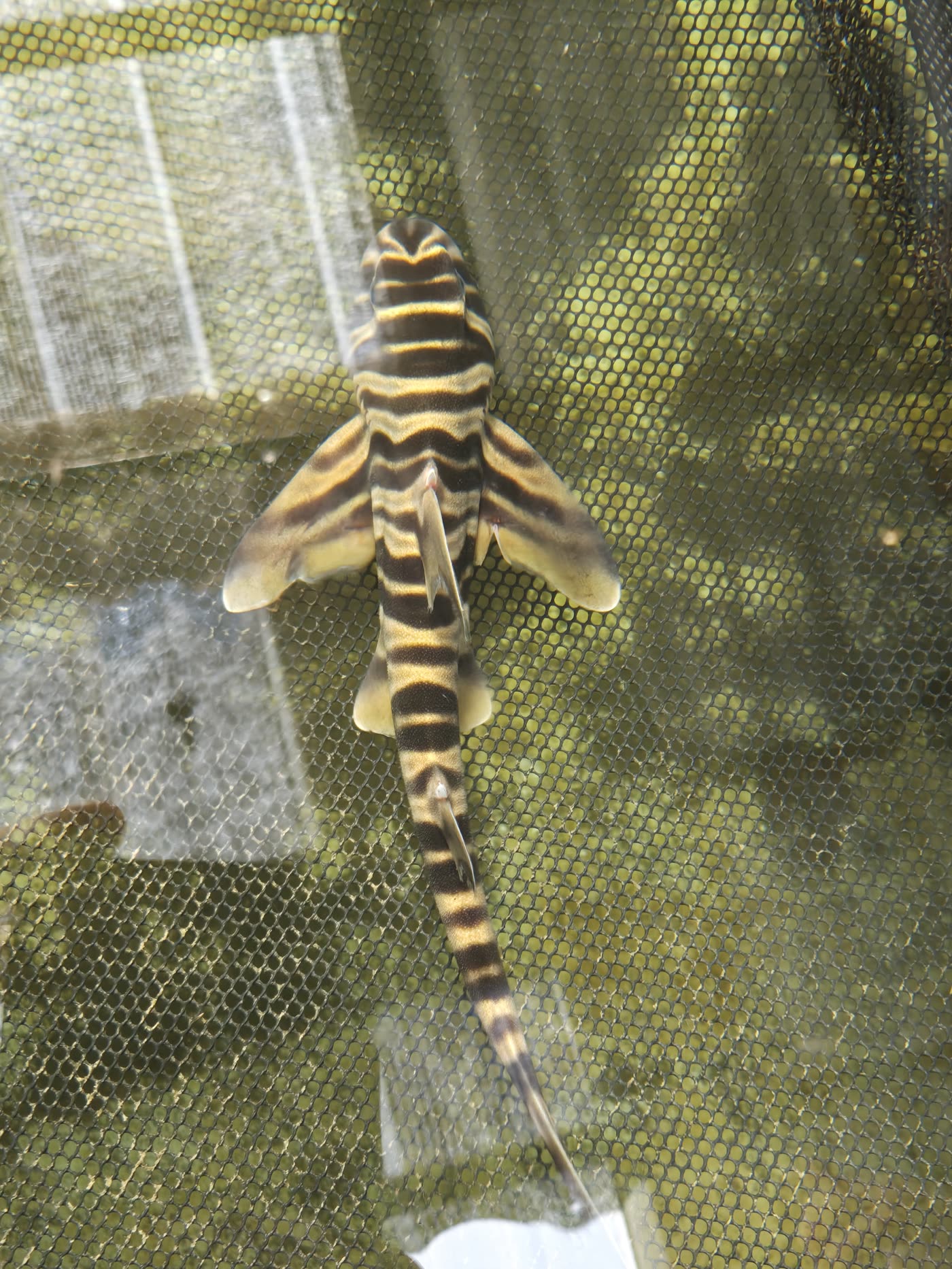
The Zebra Bullhead Shark (Heterodontus zebra) is native to the Indo-Pacific. Known for its striking striped pattern, it is a nocturnal predator that needs a habitat close to its natural environment.
Tank setup
Zebra Bullhead Sharks need a spacious, well-maintained tank. At our farm we use running seawater: filtered seawater flows continuously in and out of the tank, so the water never stagnates. A large tank is essential to give the shark room to move. Cover the bottom with sand and rocks to recreate its natural habitat. High dissolved oxygen is vital, so the system should be well filtered with steady water flow and oxygenation.
Water quality
- Salinity: around 1.025 specific gravity.
- pH: approximately 8.4.
- Temperature: 18–24°C (64–75°F).
Diet and feeding
Zebra Bullhead Sharks are nocturnal hunters that forage on the sea floor. Feed them fish cubes and shrimp for proper nutrition. Once a day is enough. The right food and feeding schedule keep the shark healthy and support its natural behavior.
Need advice on another animal from our list? Contact us →